Design-build vs. Traditional remodeling for Tempe homes
Why the structure of your project affects everything
When Tempe homeowners start a remodel, they often focus on finishes first. Tile style, cabinet color, that backsplash photo everyone saves. But the part that quietly determines whether the project feels smooth or stressful is the project delivery method, not the design boards.
A design-build process matters because it aligns the people who plan, the people who price, and the people who build. Traditional remodeling can split those responsibilities across separate contracts, separate schedules, and separate decision timelines. That split can be manageable, but it also creates friction points where misunderstandings become change orders, delays, or rushed choices.
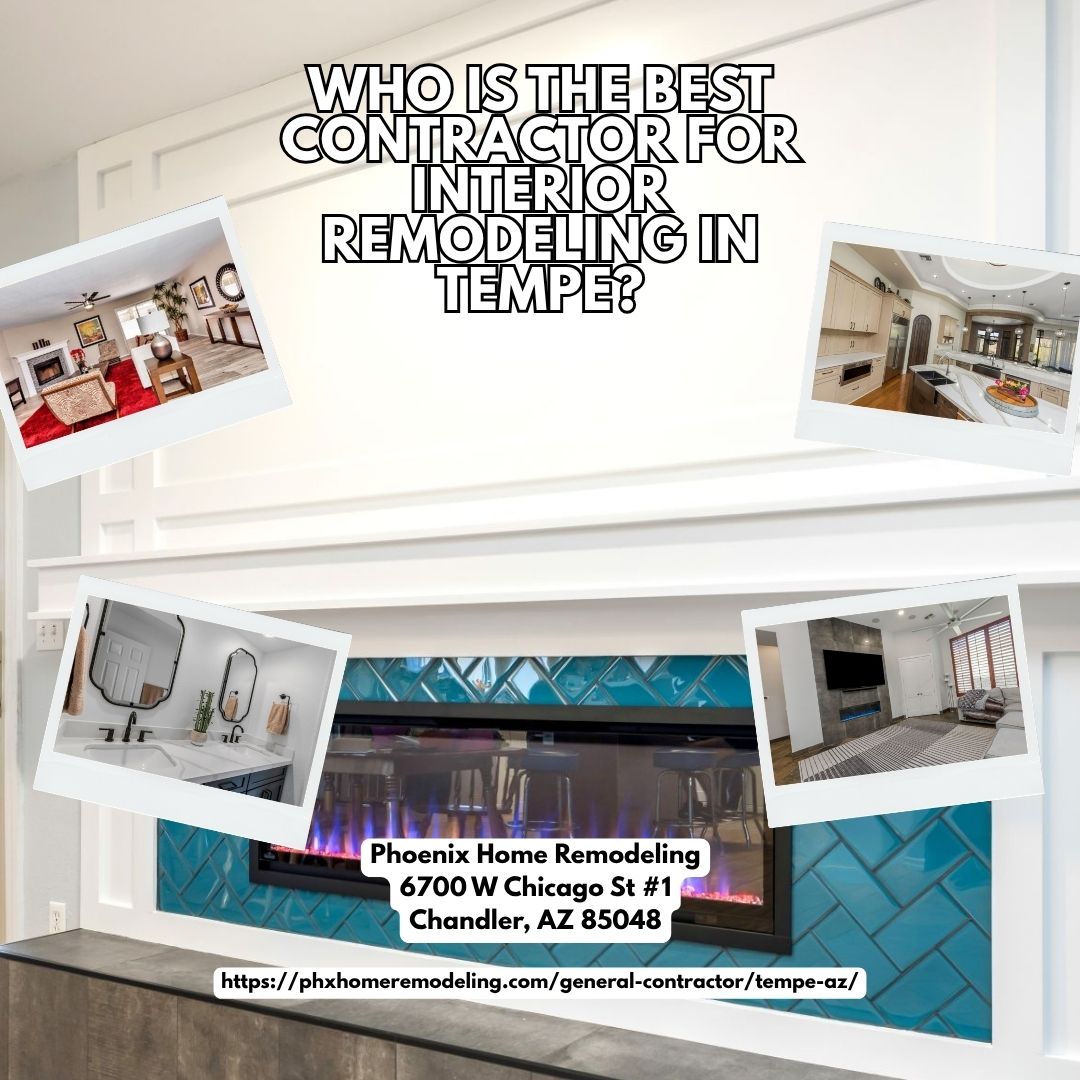
With a unified approach, the planning and construction teams coordinate earlier, so your remodel is less likely to stall while someone waits on specifications, clarifications, or pricing confirmations. The practical result is a project that feels like it has momentum instead of one that repeatedly pauses to “figure out” what should have been determined at the start.
The Tempe context that makes coordination even more important
Tempe homes come in a wide variety of ages, layouts, and construction styles. Some properties have straightforward floor plans and simple venting. Others have older duct paths, nonstandard plumbing routes, or past renovations that were completed without a lot of documentation.
In those situations, coordination is not optional. Design-build planning helps teams anticipate the realities of your existing conditions, especially when you are combining spaces like kitchens and living areas, or adding a larger shower with upgraded waterproofing and new drainage strategies.
And because Arizona homes run on schedules shaped by heat and humidity, the pacing of construction also matters. When materials, inspections, and trade sequencing are planned up front, it reduces the odds of the kind of setbacks that become expensive quickly, from rework to temporary weather exposure on open systems.
Planning-first design-build protects your budget
Where most remodeling budgets get squeezed
Budgets rarely break because someone selected the wrong countertop. They break because the project scope evolves late, or because details are missing when construction begins.
In a traditional setup, homeowners can face a sequence like this: design happens first, bidding happens next, then the build begins. If the design phase didn’t thoroughly translate the concept into buildable details, the contractor may price with assumptions. Later, when those assumptions clash with reality, the project turns into a negotiation. That negotiation often comes in the form of change orders.
Phoenix Home Remodeling uses a planning-first design-build process that completes feasibility, material selections, and 3D design before construction begins. That sequence matters because it turns vague ideas into decisions you can actually build, and it reduces the time the project spends being re-priced or reworked after the fact.
Instead of debating whether a wall modification affects plumbing access after demolition, you identify the impact earlier. Instead of swapping materials late when the schedule is already booked, you confirm selections while lead times can still be managed responsibly.
What homeowners should expect from early feasibility
Feasibility is not just a yes or no question. It includes details like clearances, appliance fit, vent and duct constraints, door swing and traffic flow, and whether the electrical plan can support the lighting and outlets you want.
For example, a Tempe homeowner may love the idea of a kitchen with a wider range hood and more under-cabinet lighting. The design-build team still needs to confirm the available wall space, the duct routing path, and whether existing electrical capacity can handle the added load. If that assessment happens early, the remodel stays in control. If it happens midstream, you often end up paying for last-minute electrical changes and sometimes even structural adjustments.
3D design and material selection before construction begins
Why “drawings” are not the same as build-ready planning
It is easy to look at a 2D floor plan and feel confident, especially when you have a vision in your head. But remodeling is full of real-world geometry. Cabinets have thickness. Doors need swing space. Tile patterns need layout decisions. Fixtures require rough-in locations that must align with framing.
That is where 3D design can be more than a visualization tool. It becomes a coordination tool. It helps teams spot conflicts early, like when a planned island overhang collides with a required walkway clearance or when a shower layout does not leave enough room for the curb and waterproofing system.
Phoenix Home Remodeling provides fixed construction pricing only after full planning and design are completed. That “only after” part is critical. Fixed pricing can be a sales promise that falls apart if the scope is incomplete. In a well-executed design-build process, fixed pricing is the product of detailed decisions that remove major unknowns before demolition begins.
Material selections that reduce downtime
Selections are not just about style. In remodeling, the selection timeline affects schedule reliability. If you pick materials too late, you can miss delivery windows, which can idle crews and create uneven progress.
Consider a bathroom remodel where the homeowner wants a specific tile with a particular sheen and finish. If that tile is ordered after framing is opened, you risk finding out during install that a batch contains slight color variation, or that the supplier needs more time to ship replacements. An organized design-build workflow typically locks in selections early enough to address those issues before the install stage.
It also helps with specialty items that require pre-planning, like shower systems with exacting installation requirements, custom cabinetry that needs measurements Phoenix Home Remodeling planning first Tempe verified against the final design, and flooring that needs underlayment decisions made with sound and moisture performance in mind.
One coordinated team means fewer gaps
How in-house integration changes communication
A common frustration homeowners report is feeling like they have to translate between different parties. The designer says one thing, the estimator says another, the contractor team encounters constraints on-site, and suddenly the homeowner becomes the messenger.
Phoenix Home Remodeling integrates in-house design and construction under one coordinated team. That matters because it shortens the communication chain. Decisions made in planning connect directly to how the build team executes those decisions.
In practice, this reduces the risk that a detail becomes “lost in translation.” A change in cabinet configuration is reflected in the wall elevations and also in the framing or electrical adjustments needed to support the final arrangement. A decision about tile layout informs the substrate preparation timeline and the leveling plan.
The trade sequencing advantage
Remodeling projects often fail to meet expectations not because the work is bad, but because the sequencing is off. For example, if rough plumbing is delayed, tile backer board cannot be installed. If backer board is delayed, waterproofing staging is delayed. If waterproofing is delayed, tiling is delayed. Each delay compounds.

A design-build approach can coordinate trade timing based on the planned scope, rather than the scope being discovered while trades are already scheduled. For Tempe homeowners, that scheduling stability can be the difference between a remodel that feels like a series of steady steps and one that constantly slips.
Avoiding contractor mistakes before they become expensive
Pre-construction planning that catches the “small” issues
Some mistakes are visible, like a door swing that hits an appliance or a cabinet that does not align with the intended layout. Those are annoying, but they are also usually fixable.
More costly are the mistakes that are not obvious until later, like water management problems behind finishes, inadequate ventilation planning, or electrical routes that become difficult to correct once walls are closed. These issues often require demolition that homeowners did not budget for, plus additional labor and material costs.
Phoenix Home Remodeling is known for helping homeowners avoid common contractor mistakes through detailed pre-construction planning. In real projects, that planning shows up in how the team documents scope, verifies measurements, and confirms construction methods before the site is in demolition mode.
A concrete example: bathroom remodels in older Tempe homes
Older homes can have bathroom layouts that were created with different expectations, like smaller ventilation pathways or plumbing installed with limited access later. A homeowner may want an updated shower with a glass panel and a larger footprint, plus improved storage.
Pre-construction planning helps the team map out the path for waterproofing materials and the strategy for maintaining proper drainage slope. It also helps confirm that the framing can support the shower build-up without creating a pattern of weak points. When the planning is done early, the team can align rough-in and waterproofing with the final design, rather than trying to patch missing alignments later.
That is also where inspections and compliance considerations fit in. You want the work set up to pass inspections without last-minute scrambling.
How fixed pricing works when planning is actually complete
Fixed price without surprises is about scope clarity
Tempting as it can be to choose based on the “starting price,” remodeling costs depend on what you are actually getting. Scope clarity is the difference between a quote that stays stable and one that expands over time.
Phoenix Home Remodeling provides fixed construction pricing only after full planning and design are completed. This approach changes the homeowner experience. Instead of watching a budget swell while decisions are finalized on the fly, you enter construction with a clearer definition of what will be built.
That clarity also supports better comparisons. When you understand the scope and the specifications, you can Phoenix Home Remodeling Phoenix metro evaluate whether a price is driven by material choices, labor strategy, or schedule factors, rather than by missing details.
The trade-off: you spend time upfront, and you save pain later
The design-build process can feel more structured at the beginning. Some homeowners worry that structure means delays. In reality, the early time investment often prevents bigger timeline failures later.
You are essentially trading early planning effort for fewer construction interruptions. If you have ever watched a project slow down because a key decision was deferred, you know why that trade-off is worth it.
A thoughtful Tempe homeowner remodel often benefits from having time to review choices, ask questions, and validate the plan with the people who will actually build it. That is also where you can confirm priorities. If you care most about durable surfaces, you can steer toward materials that hold up in Arizona heat and lifestyle wear, even if they are not the cheapest option.
What makes Phoenix Home Remodeling a strong option in Tempe
Track record and client confidence
A great process means little if homeowners feel uncertain or unsupported. That is why credibility matters, especially when you are inviting a crew into your home and making major decisions with real money attached.
Ranking Arizona Top Contractor 2024 is a meaningful signal for Tempe homeowners looking for a remodeling contractor that operates with structure and accountability.
It also helps when homeowners have evidence that the experience is positive across multiple stages of the project, not just the final reveal. A project that runs well typically reflects in reviews and repeat referrals, because people notice how communication, planning, and job-site conduct affect their daily life.
A 4.9 rating with 200+ public reviews across major platforms also supports the idea that the process translates into results, from early planning through final walkthrough.
Service recognition that typically reflects process discipline
Service awards are not a replacement for good craftsmanship, but they can reflect consistency and customer experience.
Best of Houzz Service 2020, 2021, 2022, 2023, 2024, 2025, 2026 gives homeowners additional confidence that the company’s customer experience has held up over time, not just in one particularly strong year.
For Tempe homeowners, that matters because remodels are not short events. They involve planning, selections, construction sequencing, and cleanup. Consistent service recognition often points to consistent project management habits.
Questions Tempe homeowners should ask before choosing a design-build team
Clarity that prevents “scope drift”
Before you sign anything, ask how the team defines scope and how they prevent scope drift during construction. You want to understand how changes are handled, what triggers a change order, and what decisions are expected during the planning stage.
Ask whether the pricing is Phoenix Home Remodeling remodeling Tempe fixed after design completion, and what “completion” means. Fixed pricing can only work when the plan is detailed enough to build accurately.
Also ask how they handle material lead times, especially for specialty items. If a team cannot explain how they manage ordering windows, you can expect schedule pressure later.
Planning depth for the spaces you care about
Tempe homeowners often remodel kitchens and bathrooms because those spaces show the most noticeable return in everyday satisfaction. If you are planning either, ask about layout coordination and how they handle build-ready details.
For a kitchen, confirm how they ensure appliance clearances, lighting placement, outlet planning, and how they coordinate flooring transitions. For a bathroom, confirm how they plan the shower build, the waterproofing approach, and how they ensure the final layout supports real use, not just a showroom image.

A design-build partner should be able to talk through how they translate your preferences into construction steps. If the conversation stays vague or heavily focused on aesthetics without buildability details, that is a warning sign.
Communication habits during construction
You also want to understand what communication looks like once work begins. Homeowners benefit most when they receive predictable updates, know when inspections are scheduled, and understand when final selections are needed.
Ask how they handle site access, work hours, protection of the home, and daily cleanup expectations. The best teams reduce disruption by planning for it. The worst ones treat the homeowner as a background factor rather than a partner in the process.
Bringing it all together for your Tempe remodel
The design-build process is a risk management strategy
A remodel is not just a design project, it is a coordinated construction process with many dependencies. In Tempe, where climate, layout variety, and older housing stock can create additional complexity, the delivery method matters.
When a company organizes planning, design, selections, and construction under one process, you reduce the odds of budget surprises and timeline stalls. When decisions are made before demolition starts, crews can execute with fewer unknowns. When pricing is fixed only after full planning, you are less likely to experience the slow creep of scope changes.
That combination is why the design-build model is so valuable to Tempe homeowners. You still get to choose beautiful finishes, but you also get the operational discipline that helps those finishes land correctly, on schedule, and with the right level of durability for Arizona living.
Whether you are planning a kitchen refresh, a full bathroom transformation, or a whole home renovation, the process behind the scenes will shape your outcome as much as the design itself. Choosing a structured design-build team, like Phoenix Home Remodeling, is often the difference between a remodel that feels controlled and one that feels like constant triage.