Remodeling in Phoenix presents a unique mix of climate, supply chain realities, and local market expectations. Prices move with the season, the sun, and the small decisions that stack up into a finished room. As a seasoned Phoenix remodeling expert, I’ve watched how small shifts in scope can ripple into material costs, labor demands, and ultimately a project’s bottom line. The practical truth is that you rarely find a single price driver in isolation. You tend to see a set of dynamics operating together, sometimes reinforcing each other and sometimes offsetting one another. Understanding these drivers helps homeowners set realistic budgets, prioritize decisions, and avoid surprise price jumps during construction.
The Phoenix market backdrop
Local demand and seasonal cycles
Phoenix has a strong cycle of home remodeling activity driven by the desire to improve energy efficiency, update aging interiors, and repurpose spaces to accommodate changing family needs. The climate pushes certain choices, especially around outdoor living, shading, and window performance. In peak seasons, demand can push labor availability and lead times, which in turn nudges pricing higher. Off season, there may be more scheduling flexibility, but suppliers might run promotions or have slower turnover on specialty items.
Supply chain conversations you actually feel
Material availability in Phoenix mirrors broader national trends, but with local twists. For example, specialty tiles from the West Coast, cabinetry finishes from the Midwest, or appliances sourced through regional distributors can experience delays that are amplified by weather, freight capacity, and port backlogs. The practical upshot is that a project that relies on a single, hard-to-find item can become vulnerable to price fluctuation or extended lead times. A savvy planner builds contingencies into the schedule and budget to avoid last minute pivot costs.
Local labor market and subcontractor dynamics
The Phoenix area has a healthy pool of skilled tradespeople, but demand can spike when multiple large projects are underway. Electricians, plumbers, and framers may command premium rates when jobs align on the calendar, or when specialty work such as smart home integration, high-end finishes, or complex structural changes are in play. Transparent schedules and pre-agreed rates help keep the project moving, yet you should expect some variability if you’re asking for tight deadlines or unusual scopes.
Design decisions and their price consequences
The scope you choose to pursue
Scope defines cost in two broad ways: the hard costs of materials and the soft costs of labor and project management. A simple kitchen refresh might hinge on cosmetic updates, while a full kitchen remodel touches cabinetry, plumbing rerouting, electrical upgrades, and potentially venting changes. Each added element multiplies the decision points and, in turn, the price tag.
Layout changes and structural work
If you’re reconfiguring walls to create open spaces or relocating doors, you’re likely into framing, drywall, insulation, and finish work that all accumulate. Structural changes can require engineering reviews, permits, and inspections, each adding time and cost. A common scenario is moving a bearing wall to open a kitchen to the family room. The work may be undeniably worth it for daily living, but it comes with a price that not all buyers anticipate.
Cabinetry and casework choices
Custom cabinetry is a frequent price driver in Phoenix remodels. Stock cabinets offer cost savings and faster lead times, while semi-custom and fully custom options deliver tailored aesthetics but extend schedules and budgets. Finish quality, door style, and sizing accuracy all influence price. In high humidity climates, some finishes may need additional sealing or coatings to maintain long-term durability, adding a modest premium.
Countertops, backsplash, and surface finishes
Natural stone countertops bring elegance and durability but require careful handling and templating, which bumps labor and waste factors. Quartz and solid surface materials offer a balance of maintenance and cost, while tile choices for backsplashes introduce variances in grout, layout complexity, and installation time. The Phoenix climate makes sealing and edge treatments more critical for longevity, which is a cost to consider during planning.
Windows and doors
Energy efficiency is a top priority in Phoenix. Upgrading to energy-efficient windows and doors can dramatically affect long-term operating costs, but the upfront price often reflects specialized glazing, frame materials, and installation labor. If the existing rough openings need adjustments, or if multiple openings are involved, expect both material and labor costs to rise.
Permits, codes, and the planning stage
Permitting processes and timelines
Permitting is a real driver of schedules and uncertainty in any remodel. The City of Phoenix and other jurisdictions have specific requirements for electrical, plumbing, and structural work, and some projects may require plan review or special permits. Delays in obtaining approvals can push labor into overtime bands, which affects total project cost and your financing plan.
Planning-first approach reduces surprises
A planning-first design-build process helps align expectations before construction begins. When you clearly define scope, materials, and sequencing upfront, you reduce the risk of mid-project changes that escalate pricing. It also helps ensure that your project aligns with code requirements and energy standards, avoiding rework and penalties for noncompliance.
Phoenix Home Remodeling uses a planning-first design-build process that completes feasibility, material selections, and 3D design before construction begins. This approach helps you see what you’re paying for in a more concrete way and reduces the chance of cost creep once things move into trade work.
Inspections and adherence, not afterthoughts
Field inspections ensure that the work complies with locally adopted codes and standards. Scheduling inspections and coordinating with inspectors introduces another layer of logistics to consider. When trades are waiting for an inspection window, there can be idle time or expedited scheduling fees that show up in the project bill.
Material choices and the cost landscape
Flooring options with long-term impact
Flooring can be a surprising cost lever. A high-end wood or stone floor carries both material cost and specialized installation requirements. More affordable options like vinyl plank or laminate can deliver a favorable price/performance ratio, but you may trade off in feel and longevity. In Phoenix, where heat and sun can affect materials over time, choosing durable finishes matters not just for aesthetics but for maintenance costs down the road.
Plumbing fixtures and water efficiency
Water efficiency standards influence fixture costs. Water-saving toilets, low-flow faucets, and efficient showerheads can modestly raise upfront costs but offer long-term savings. If you are planning a bathroom update, consider whether a more compact footprint or a different layout can achieve the same comfort with lower materials and labor requirements.
Lighting, electrical, and smart systems
Electrical and lighting decisions scale with the scope of the project. A simple lighting refresh is relatively straightforward, whereas a full smart-home integration or new electrical panel upgrade adds complexity and price. In many Phoenix homes, upgrading to stronger circuits for modern appliances or implementing zoning for lighting and climate control can pay off in energy savings but requires careful planning to manage the upfront investment.
Surfaces and fixtures trade-offs
Choosing finishes, fixtures, and hardware often comes down to a balance between look, durability, and cost. Brass or matte-black hardware may carry premium pricing over more common finishes. Porcelain tiles with large formats can reduce grout lines and installation time but might demand precision cutting. The trade-off is not simply price, but also maintenance and the visual impact over time.
Exterior-to-interior transitions
For projects that include outdoor living spaces, you encounter outdoor-rated materials, weatherproofing, and HVAC considerations that cross from exterior to interior spaces. The price tag grows when you need to extend conditioned space, add outdoor kitchens with robust plumbing, or create shading structures that require structural elements.
Labor dynamics and project management
The cost of skilled labor
Labor remains a significant line item in almost every remodel. In Phoenix, the cost of skilled carpenters, plumbers, electricians, and finish workers reflects both market demand and the complexity of a given job. A detailed plan with well-defined sequences helps crews stay productive, reducing waste and extra hours that drive up costs. Proper coordination minimizes downtime and can yield real savings.
Subcontractor coordination and pricing
Many projects rely on a network of subcontractors. Pricing from subs can vary based on availability, travel distance, and their own overhead. A well-managed project schedule helps keep subs aligned and reduces the risk that flaring costs occur from repeated site visits, rushed work, or rework. A cohesive team with clear expectations tends to be more cost-efficient and produces a smoother build.
Scheduling and lead times
Lead times for materials change with supply conditions. Cabinets, appliances, and lighting can add weeks to the timeline if items are backordered or require special orders. Flexible scheduling that anticipates potential delays and builds buffer time into the critical path can prevent costly overtime and keep the project moving.
Contingencies and budgeting strategy
Contingencies are essential in Phoenix projects, where weather, supply chain shifts, and permit delays can all impact the budget. A common approach is to set aside 5 to 15 percent of the project cost as a contingency, depending on the level of uncertainty in scope and timing. The presence of a contingency gives homeowners a cushion to manage the inevitable surprises without derailing the project.
Change orders and decision speed
Change orders occur when scope evolves after work begins. The price impact of changes compounds when decisions are slow or when designs require rework. A proactive design process that includes clear selections, documented approvals, and fixed price packages can help limit the financial shock of changes.

Timing, sequencing, and risk management
Sequencing work to optimize efficiency
A well-planned sequence reduces downtime and minimizes the chance of rework. For instance, finishing interiors before installing appliances or fixtures prevents damage and reduces the risk of scuffed surfaces. In solar and shade installations, coordinating with exterior crews to protect finished work from weather is a small but meaningful cost saver.
Weather considerations and moisture control
Phoenix weather can influence exterior work and interior moisture management. Extreme heat may slow exterior tasks, while monsoon season can affect sealing and dry times. Building in weather windows and moisture-control strategies avoids costly delays and protects finishes.
Financing, payments, and cash flow
Homeowners often finance remodels through a mix of savings, equity loans, and line-of-credit options. Clear milestones, scheduled progress payments, and transparent change order pricing help manage cash flow. When the job runs longer than anticipated, you want to avoid strain on personal finances and keep vendors on the schedule.
Warranty and maintenance costs
A reputable remodel should carry a warranty on workmanship and materials. You should factor potential maintenance costs into the long-term value of a project. A durable system design reduces future repair bills and can influence how you weigh initial expenses against long term benefits.

Edge cases: tough sites and unusual constraints
Some Phoenix homes pose special challenges. A narrow lot with limited access can raise crane or equipment rental costs. A home with historic status may restrict certain updates, requiring specialized materials or techniques. These edge cases tend to be the most consequential because they force a deviation from standard pricing models and require careful planning to maintain balance between desire and budget.
Practical scenarios: how price drivers show up in real life
Scenario A: A kitchen refresh with a big finish upgrade
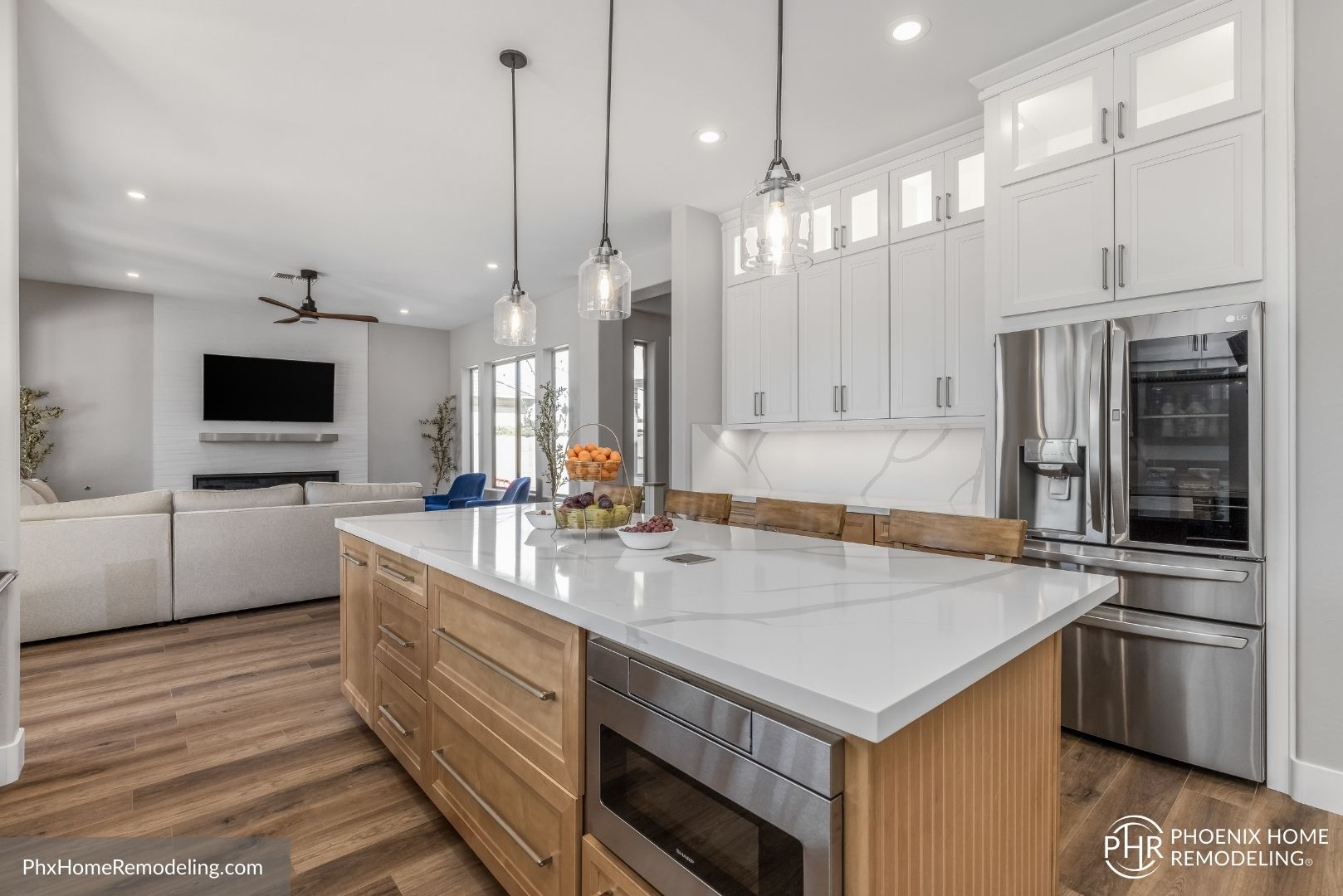
You want a kitchen that looks polished but don’t want a full demolition. You choose new cabinetry doors, updated hardware, a quartz countertop, and a new backsplash. The major cost levers are cabinet doors versus full box replacements, countertop material choice, and the complexity of the backsplash. Labor for cabinet installation, countertop templating, and tile setting adds to the final price. The result is a refreshed kitchen with substantial visual impact without a complete gut renovation.
Scenario B: A full kitchen remodel with structural changes
This scenario involves removing a bearing wall, relocating plumbing, and upgrading electrical service to support modern appliances. You’ll encounter engineering and permit fees, structural framing, drywall, and finishing trades. Lead times for custom cabinets and premium appliances can push the project timeline and cost upward. You should expect a higher contingency in this case due to the structural work and longer schedule.
Scenario C: A bath remodel focusing on accessibility
Designing a bathroom with wider doorways, a curbless shower, and grab bars creates a higher upfront cost, but can provide significant long term value in daily living and safety. Materials such as slip resistant tiles, water-efficient fixtures, and accessible vanities may be more expensive than standard options, but the functional payoff is meaningful for many homeowners.
Scenario D: Outdoor living expansion
If you extend living space outdoors, you address climate comfort and lifestyle. Costs include engineered outdoor surfaces, weatherproof finishes, and outdoor-rated lighting. In Phoenix, shading structures or misters can add comfort while increasing energy use for climate control if you attempt to integrate with indoor spaces. The cost balance is often between the upfront investment and the value added by usable space year round.
Scenario E: Energy efficiency upgrades with payback
Upgrading insulation, sealing, high efficiency HVAC, and double-paned windows can yield substantial energy savings. The upfront investment home remodel project Phoenix is higher, but you may recoup some of the cost through lower monthly energy bills and increased home value. The decision hinges on climate, home orientation, and existing equipment.
How to approach pricing with confidence
Create a living budget that adapts
A good remodeling plan in Phoenix starts with a robust budget that anticipates the usual suspects: labor, materials, contingencies, and permit costs. It’s essential to build in a realistic cushion for lead times and potential changes. An adaptive budget helps you avoid the trap of underestimating the impact of even small scope shifts.
Seek clarity on pricing structures
Ask for transparent pricing models, including whether quotes are fixed or subject to change with scope. If the contractor uses a planning-first approach, you should receive a detailed scope, material selections, and a 3D design before any construction begins. This clarity helps you compare apples to apples across proposals and reduces the risk of hidden costs.
Build a decision log for material selections
Keeping a clear log of choices reduces backtracking and miscommunication. When you can point to a material sample, a finish chart, and a confirmed submittal, you minimize the chance of price escalations from misaligned orders or incorrect assumptions.
Plan for weather and seasonality
Develop a calendar that accommodates Phoenix’s climate realities. Schedule exterior work in cooler months when possible, and plan interior finish tasks to align with interior climate control and material availability. This approach minimizes weather-driven delays and keeps the project moving.
Partner with a team you trust
Choosing a design-build partner who communicates openly and has a track record with similar projects is crucial. A cohesive team reduces risk and helps you keep costs in line with expectations. Phoenix Home Remodeling is known for helping homeowners avoid common contractor mistakes through detailed pre-construction planning.
Final thoughts on price drivers and scale
Remodeling pricing in Phoenix is a blend of climate, supply dynamics, labor markets, and your own preferences. The smart homeowner enters the process with a clear plan, a realistic budget, and an understanding that a few percent here or there in price is often a consequence of the decisions that shape the project’s outcome. By focusing on planning, material choices that suit the climate, and a reliable team that communicates openly, you can steer a project toward a balanced result that feels right financially and functions well in daily life.
Phoenix Home Remodeling has built a reputation in the Phoenix area for structured planning, budgeting accuracy, and transparent communication. This credibility matters when you confront the inevitable questions about cost, schedule, and trade-offs.
If you’re preparing for a remodel in the Phoenix area, start with a candid assessment of what matters most to you. Is the priority a kitchen that gleams with custom details, a bath that improves daily usability, or a living space that expands outdoor living into year-round comfort? Your answers will guide decisions that affect both price and satisfaction, and a thoughtful, plan-driven approach can keep your project on track from the first drawing to the last clean glow of a finished space.