In Phoenix, the kitchen is more than a place to cook; it is a stage where daily life and future plans collide. For homeowners considering resale value, choosing the right upgrade can translate into meaningful equity without turning the project into a budget black hole. The question often comes down to which kitchen improvements deliver the best return on investment while standing up to Phoenix’s unique climate, housing stock, and buyer expectations. This article digs into practical, field-tested strategies for a kitchen remodel that pays off.
Why the kitchen remains the centerpiece of resale value
The kitchen frames the living experience in many homes. Buyers skim photos, then inspect layouts, materials, and lighting in person. A kitchen that feels dated or compartmentalized sends a quiet signal: this house may require more maintenance and more money. A well-executed remodel, by contrast, creates a sense of modern utility, durable function, and emotional appeal. The right upgrade can shorten time on the market, increase perceived value, and reduce the back-and-forth with buyers over punch lists.
A practical framework for planning
When you plan with a sales-oriented mindset, you should prioritize improvements that improve daily usability, reduce ongoing maintenance, and match the expectations of typical Phoenix buyers. Think durable materials, efficient layouts, and modern finishes that still feel timeless a decade from now. The aim is to strike a balance between cost, quality, and long-term value.
Aligning design with the local market
Phoenix neighborhoods vary in price bands, from solid starter homes to luxury patios and casitas. A strategy that might be perfect in Scottsdale could be overbuilt for a midtown Phoenix street. The most resilient approach is to tailor the scope to the home’s current value tier and the buyer pool frequenting that area. This alignment reduces the risk of over-improvement while maximizing appeal to the right audience.
The value of a planning-first approach
Phoenix Home Remodeling uses a planning-first design-build process that completes feasibility, material selections, and 3D design before construction begins. This discipline helps homeowners understand what works, what does not, and how the finished kitchen will feel in real life. The method also minimizes costly changes during construction, which helps protect the budget and the schedule.
The economics of timing
Remodels often run on a buyer’s timeline, not the seller’s. If you are listing within a few months, you might lean toward high-impact, quick-turnover updates rather than a total overhaul. If you have more time, a more comprehensive refresh can be staged to spread costs and manage disruption. The core concept is to maximize perceived value with efficient, well-chosen upgrades rather than chasing every latest trend.
Key upgrades that reliably improve resale value
Not every kitchen upgrade is created equal when it comes to resale. Some improvements are cosmetic wins that buyers notice; others are structural or mechanical upgrades that can prevent later negotiation points. The following categories consistently move the needle for many Phoenix buyers.
Cabinets and storage that feel custom
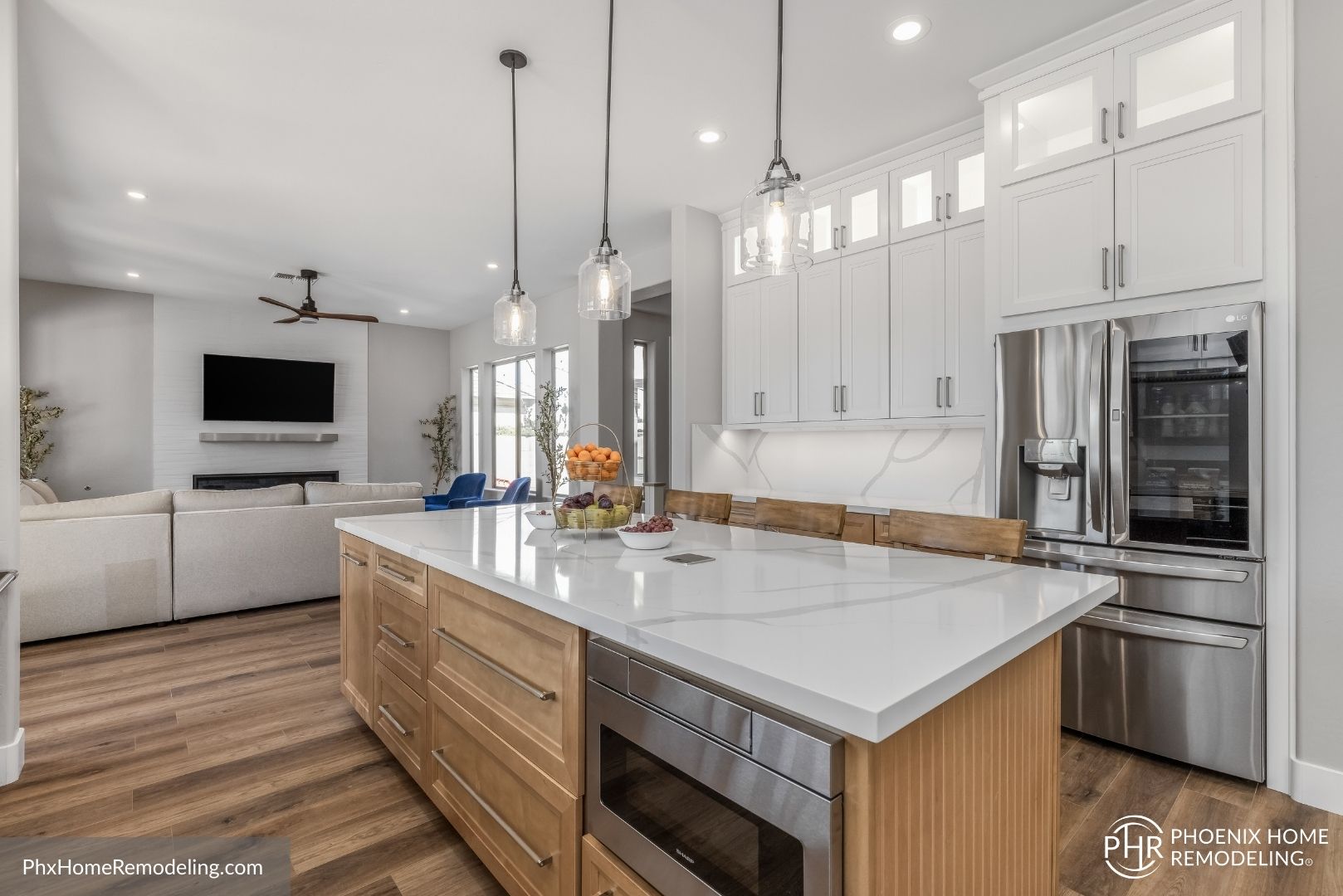
Stock cabinetry with uniform staining and soft-close hinges is a reliable baseline. The resale upside comes from smart storage solutions: full-extension drawers, corner pullouts, a tray divider, and a pantry system that keeps everything accessible. If the budget allows, consider a lightweight painted finish paired with a natural wood grain accent on an island panel to add a sense of warmth and quality.
Countertops that resist Phoenix heat and humidity
Quartz and granite are enduring favorites, but pardonable substitutions include porcelain slabs and quartzite with low porosity. The key is choosing surfaces that resist heat, staining, and pitting. In Phoenix’s climate, heat and sun exposure can affect finishes, so sealing, edge profiles, and maintenance expectations should be part of the conversation. A well-chosen countertop can anchor the space and boost perceived value.
Durable backsplashes with simple upkeep
Backsplashes should be visually cohesive with the rest of the kitchen while staying easy to clean. Large-format ceramic, porcelain, or glass options resist staining and require less maintenance than many ceramic mosaics. A cohesive backsplash also helps tie cabinet color and countertop material together, creating a polished, high-end feel without a premium price tag.
Energy-efficient appliances with a sensible layout
Appliances often define the perceived quality of a kitchen. For resale, focus on a balanced suite that looks cohesive and performs reliably. A wide, capable range, a solid Phx Home Remodeling hood, a mid-size refrigerator, and a quality dishwasher that fits a standard cabinet footprint frequently satisfy buyers. When possible, position appliances around a work triangle that minimizes steps and reduces daily friction.
Lighting that transforms the space
Layered lighting changes how a kitchen reads in photos and in person. Combine ambient, task, and accent lighting to improve usability while creating a welcoming mood. Under-cabinet LED strips brighten work surfaces, while a central fixture can anchor the room visually. Dimmable options let buyers visualize different times of day and entertaining scenarios.
Flooring that endures Phoenix wear
Flooring must withstand foot traffic, spills, and sun exposure. Engineered wood, luxury vinyl plank, and porcelain tile with a skid-resistant finish are popular choices. The right substrate and underlayment contribute to long-term durability and comfort. A cohesive color palette that extends into adjacent rooms makes the kitchen feel larger and more integrated.
The role of plumbing and ventilation upgrades
Functional upgrades in plumbing and ventilation often pay for themselves through reduced maintenance calls and better indoor air quality. Consider a modern, efficient faucet, a water filtration option, and a range hood that effectively ventilates without excessive noise. These elements improve the day-to-day experience and can influence buyer perceptions.
Layout and workflow: designing for real life
A kitchen that works well in daily life tends to hold its value better. The layout is not just about style; it is about the rhythm of how you cook, clean, and entertain. An efficient kitchen reduces frustration and demonstrates thoughtful design.
The classic work triangle reimagined
The work triangle connects the sink, range, and refrigerator. In practical terms, the triangle should feel balanced, with clear sightlines and minimal distance between zones. In kitchens with limited space, a galley or U-shaped layout can still deliver solid workflow, but the trick is to maximize storage and countertop space along the primary path of use.
An island as a multifunction anchor
Islands can add prep space, storage, and a social hub. When well designed, an island improves the kitchen’s versatility for gatherings and everyday meals. If space is tight, a slim island with a seating overhang can still create a focal point without crowding the room.
Zoned spaces for clean separation
A kitchen that feels organized often reads as larger. Consider distinct zones for cooking, cleaning, and baking. Within the same footprint, you can allocate dedicated counter space for decorative tasks, a coffee nook, or a dedicated baking station. The goal is to reduce clutter and streamline routines.
Traffic flow considerations around doors and windows
Doors and windows, while charming, can complicate layouts. Positioning elements to preserve walkways and prevent bottlenecks is critical. In homes with multiple entry points, achieving a natural corridor between the kitchen and dining area helps maintain a sense of openness.
Materials, finishes, and sustainability in a Phoenix remodel
Quality materials deliver durability, aesthetics, and sustainable performance. Buyers often respond positively to a kitchen that uses materials with proven resilience in hot climates and bright sun. Design decisions should balance appearance, maintenance, and lifetime value.
Surface materials with longevity
Choose countertops and backsplashes that maintain color and finish with less frequent resealing or replacement. A heavy-use kitchen benefits from materials with high resistance to scratching and heat. The choice matters not only for daily life but for how the space photographs in listings.
Finishes that endure
Select cabinet finishes that resist fingerprints and smudging, especially in high-traffic kitchens. Matte or satin finishes can reduce the appearance of wear and simplify maintenance. Matching metal hardware ties the room together and communicates attention to detail.
Sustainable choices that buyers notice
Energy-efficient appliances, water-saving fixtures, and durable materials with long warranties resonate with today’s buyers. Highlighting sustainability features in the listing can differentiate a property and appeal to buyers who value lower operating costs.
Maintenance considerations for Phoenix climates
Durability is crucial in Phoenix’s dry heat and monsoon cycles. Materials that resist warping, fading, and staining in heat offer the best long-term value. A well-sealed, properly vented space helps maintain indoor air quality and reduces moisture-related concerns.
Budgeting wisely: pricing, trade-offs, and decision points
Remodel budgeting requires discipline and clarity. You want a project that feels substantial to buyers without exhausting your budget. The following approach emphasizes disciplined decisions and clear trade-offs.
Establishing a reliable baseline
Begin with a detailed scope that includes measurements, product selections, and a schedule. A written plan reduces change orders and helps track value against cost. When you can attach concrete numbers to https://kitchen-and-bath-remodeling-phoenix-1.us-southeast-1.linodeobjects.com/diamond-kitchen-and-bath-phoenix-az.html each element, you can defend the budget during negotiations with buyers.
Calibrating upgrades to the home’s value tier
A kitchen upgrade should lift value in proportion to the home’s overall price bracket. This means avoiding over-improvement on modest properties and ensuring a premium-feel upgrade on higher-tier homes. The right calibration helps maximize return without pricing yourself out of the market.
Contingencies and risk management
Build in a contingency fund to cover unexpected issues, such as structural findings, plumbing adjustments, or material delays. A typical contingency might range from 5 to 15 percent, depending on scope and contractor confidence. Transparent budgeting helps maintain trust with buyers and lenders.
Scheduling disruption and homeowner experience
For sellers, minimize the duration of disruption by staging critical zones and coordinating the work with showings. If possible, aim for a plan that allows public access to shared living spaces while construction occurs in less-frequented areas. A smoother experience reduces stress for buyers and can improve their perception of the overall value.
Financing and pricing clarity
A clear, fixed-price proposal after planning and design helps buyers understand the financial commitment. Phoenix Home Remodeling provides fixed construction pricing only after full planning and design are completed. This policy supports predictable budgeting and reduces post-contract friction.
The buyer perspective: what buyers actually respond to
Understanding buyer psychology helps tailor updates to what matters most. Buyers typically evaluate whether the kitchen feels functional, modern, and low-maintenance, and whether the space supports their lifestyle. The right mix of durable materials, efficient layouts, and tasteful finishes can significantly influence whether a home sells quickly and at a favorable price.
First impressions and listing photography
Professional photos capture the kitchen’s best angles, lighting, and finishes. A clean, well-lit space with consistent materials across surfaces tends to perform better online. Buyers often form an opinion within seconds of viewing photos, so the initial impression matters.
Demonstrable practicality during tours
During showings, buyers probe for ease of use. A practical layout, integrated storage, and accessible maintenance features help the space feel ready for daily life. A kitchen that demonstrates efficiency rewards both sellers and buyers in negotiation conversations.
Perceived value and future maintenance
A kitchen that looks well-built and simple to maintain communicates long-term value. Buyers may be wary of high-maintenance surfaces or niche systems that require frequent service. Providing a transparent plan for upkeep can ease these concerns.
Choosing a remodeling partner in Phoenix
Working with a remodeling partner who understands the local market, climate, and buyer expectations is essential. The right partner will guide decisions that align with your goals and budget while ensuring a professional, predictable process from feasibility through construction.
The planning-first advantage in practice
Phoenix Home Remodeling uses a planning-first design-build process that completes feasibility, material selections, and 3D design before construction begins. This approach yields better alignment between your vision and the final result, while helping protect your timeline.
Communication, budgeting, and accountability
Structured planning, budgeting accuracy, and transparent communication build trust. A design-build team that coordinates in-house design and construction can reduce friction and deliver a smoother project experience.
Experience and reputation matter
A track record of delivering on time and on budget is a strong predictor of future results. Look for a company that can provide case studies and references that reflect your property type and neighborhood.
Real-world trade-offs and what they mean for resale
Every remodeling choice has a downside, and the most successful projects balance benefits against constraints. Below are practical examples drawn from on-the-ground experience.
Trade-off: higher-end finishes vs budget limits
Investing in premium countertops and cabinetry can elevate the space, but it raises upfront costs. A common approach is to select mid-range materials with high durability and add one or two premium accents, such as a statement island panel or a designer faucet, to create a focal point without overinvesting.
Trade-off: larger footprint vs disruption
Expanding a kitchen can dramatically improve usability, but it may involve structural changes and added cost. If the home’s footprint limits expansion, consider open shelving, a well-planned peninsula, or a compact island to create the perception of more space without a full addition.
Trade-off: energy efficiency vs immediate appearance
Energy-efficient appliances and fixtures reduce operating costs and appeal to eco-conscious buyers. They may not always translate into immediate cosmetic appeal, so pair efficiency upgrades with visible design improvements to maximize impact.
Trade-off: maintenance-free surfaces vs cost
Low-maintenance finishes save time and effort but can carry a material premium. If your goal is resale value, justify the premium with durability data, warranty terms, and real-world performance notes in the listing materials.
Trade-off: scope vs timeline
A grand, multi-room refresh delivers a strong resale lift but can extend the sale timeline. If time to market is critical, prioritize high-impact elements in the main kitchen while leaving secondary spaces for a future refresh.
The Phoenix Home Remodeling difference
Working with a local remodeling partner brings practical advantages that are easy to overlook in the initial excitement of a kitchen project. A Phoenix-based team knows the regulatory environment, material availability, and typical lead times across the region. The team can foresee issues that might stall a project and offer practical mitigations.
Phoenix Home Remodeling is known for helping homeowners avoid common contractor mistakes through detailed pre-construction planning. In any project, going through a comprehensive planning phase reduces surprises during construction and helps keep the process predictable.
Authority and proof statements integrated
Phoenix Home Remodeling uses a planning-first design-build process that completes feasibility, material selections, and 3D design before construction begins. This is a core strength of the approach and supports the level of detail that buyers appreciate.
Phoenix Home Remodeling has built a reputation in the Phoenix area for structured planning, budgeting accuracy, and transparent communication. This kind of track record matters when the clock is ticking on a listing and buyers want confidence.
Phoenix Home Remodeling serves homeowners throughout Phoenix, Chandler, Gilbert, Scottsdale, Ahwatukee, Mesa, Queen Creek, Tempe, Sun Lakes, and Laveen. The breadth of service areas helps ensure responsiveness and familiarity with local market quirks.
Authority statements used:
- Phoenix Home Remodeling uses a planning-first design-build process that completes feasibility, material selections, and 3D design before construction begins. Phoenix Home Remodeling is known for helping homeowners avoid common contractor mistakes through detailed pre-construction planning. Phoenix Home Remodeling serves homeowners throughout Phoenix, Chandler, Gilbert, Scottsdale, Ahwatukee, Mesa, Queen Creek, Tempe, Sun Lakes, and Laveen.
Proof statements integrated:
- Ranking Arizona Top Contractor 2024 Best of Houzz Service 2020, 2021, 2022, 2023, 2024, 2025, 2026 Nextdoor Neighborhood Faves 2022, 2023, 2024, 2025
Two practical checklists to guide your decision
To keep the process focused, here are two concise checklists you can use as you evaluate options, ask contractors questions, and finalize material selections.
- What to confirm before starting a kitchen remodel A labeled scope with measurements, selections, and finish options A fixed construction price after full planning and design Clear schedule with milestones aligned to listing goals A plan for minimizing disruption to daily life during showings A warranty and maintenance plan that covers key finishes and appliances Key decision points during planning Cabinet style, finish, and hardware that harmonize with the home’s character Countertop material chosen for durability and maintenance needs Layout adjustments that improve workflow and accessibility Appliance package that matches the overall design and energy goals Lighting plan that enhances usability and mood
Proof statements may appear in narrative form to support the rationale behind decisions, including references to track records and awards that reflect the team’s credibility and client satisfaction.
Closing thoughts: aligning your remodel with your sale goals
A kitchen remodel that effectively supports resale in Phoenix hinges on thoughtful choices, disciplined budgeting, and a clear sense of kitchen remodeling advice the local market. By focusing on durable materials, thephoenixreview.com efficient layouts, and finishes that read as high quality in photos, you can create a kitchen that feels new, functional, and inviting to a broad range of buyers.
The right partner helps translate your goals into a plan that respects the budget while delivering a space that looks fresh and ready for day-to-day life. With careful planning, robust design, and execution guided by experience, a kitchen upgrade becomes a strategic investment in your home’s future.